Black Cat Playing with a Ball Vector
When I first opened the file for Black Cat Playing with a Ball Vector, my immediate reaction wasn't about the technical specs or the file formats. It was about the mood. There is something inherently charming and slightly mischievous about a feline mid-play, and this design captures that energy perfectly. As someone who spends countless hours testing designs on everything from heavy-duty denim to delicate baby muslin, I look for that spark of personality that turns a simple stitched shape into a beloved handmade product.
This piece feels like it belongs in a nursery or a cozy home office rather than a high-fashion runway. The silhouette nature of the design suggests clean lines and bold shapes, which are excellent for embroidery because they translate well into thread. However, before I committed this design to a final project, I had to run through the practical realities of bringing it to life. Is it too complex for a small hoop? Will it hold up after fifty washes? Does it work as a standalone graphic or does it need a background?
The First Stitch: Visual Impact and Mood
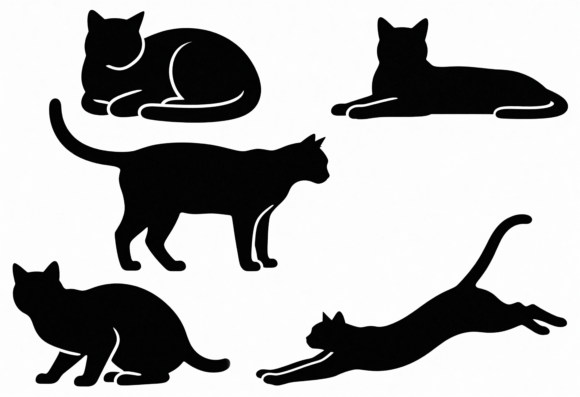
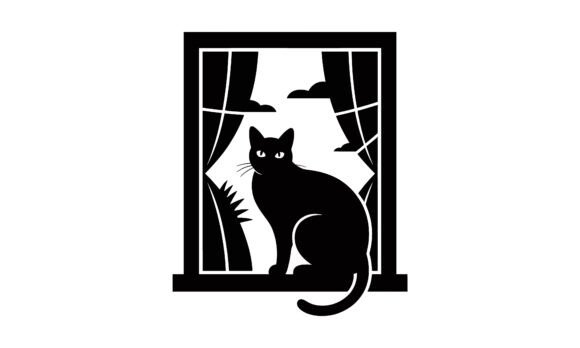
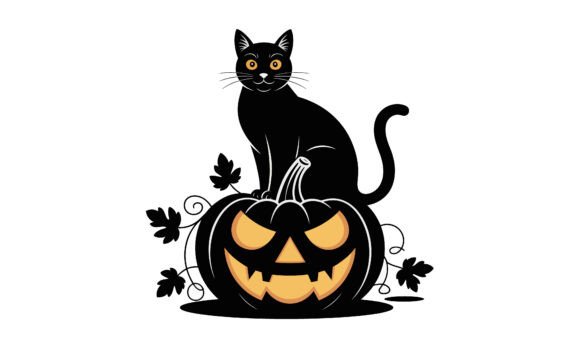
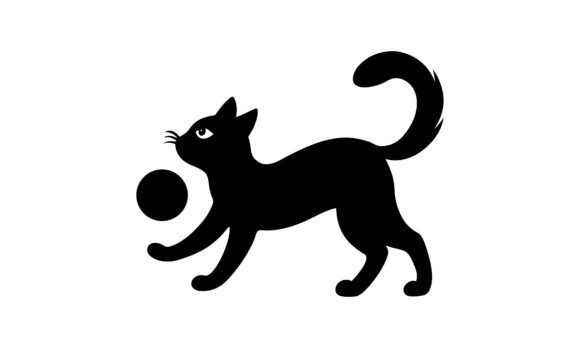
The visual personality of Black Cat Playing with a Ball Vector is playful yet sophisticated. Unlike some cartoonish designs that can look cheap when stitched, this silhouette offers a modern, graphic edge. When I imagine this on a finished product, I see it popping against a solid color background. The contrast between the dark cat and the ball creates a focal point that draws the eye immediately.
In terms of layout, the interaction between the cat and the ball suggests movement. This is crucial for embroidery because static images can sometimes feel stiff in thread form. A design with implied motion often looks more dynamic once the satin stitches catch the light. For an Etsy seller or a boutique owner, this kind of dynamic appeal is gold. It makes the product feel alive, not just like a printed image transferred onto fabric.
Real-World Application: From Screen to Stitch
I decided to test this design on a custom tote bag project for a local craft fair. The goal was to create a unique accessory that would appeal to cat lovers without being overly cutesy. Using a sturdy canvas tote, I found that the clean lines of the vector worked beautifully. The design didn't get lost in the weave of the fabric; instead, it sat proudly as a statement piece.
However, not every project is a canvas tote. I also considered how this design would perform on a sweatshirt or a baby onesie. On a sweatshirt, the heavier fabric provides a great foundation for a medium-density fill stitch. The black cat silhouette would look sleek against a heather grey or navy blue fabric. But for baby clothes, caution is key. While the design is adorable, the density of the stitching needs to be checked carefully. Babies have sensitive skin, and a dense patch of embroidery can sometimes feel rough if not stabilized correctly.
For commercial embroidery projects, such as branded aprons for a bakery or kitchen towels for a gift shop, this design adds a touch of whimsy. It fits the "home" aesthetic perfectly. I envision this on a tea towel hanging in a rustic kitchen, where the black thread contrasts sharply with white cotton. The simplicity of the silhouette ensures that even if the thread color changes slightly due to lighting or dye lots, the overall shape remains recognizable.
Where to Use It (and Where to Be Careful)
While this design is versatile, there are specific scenarios where Black Cat Playing with a Ball Vector requires extra attention. One major consideration is the hoop size. If you are working with a small 4x4 hoop, the details of the cat's posture might get crowded. The curve of the back and the position of the paws need enough room to breathe. If the design is too tight, the stitches will bunch up, ruining the clean silhouette.
Textured fabrics are another tricky area. If you try to embroider this on a thick, nubby wool or a loosely woven linen, the definition of the silhouette could be lost. The needle might skip stitches, or the fabric texture might interfere with the smooth flow of the satin stitches. In these cases, a stabilizer is non-negotiable. You need a firm backing to support the tension of the thread and keep the design crisp.
Stretchy fabrics, like jersey knits used for t-shirts or leggings, present their own challenges. Without proper stabilization, the embroidery can distort the fabric, causing puckering around the edges of the cat. If you are planning to use this for custom apparel, always test on a scrap piece of the same material first. Check the stretch recovery after washing to ensure the design doesn't warp over time.
Dense stitch areas are also worth noting. If the design relies heavily on fill stitches to create the black cat shape, it can become stiff. This stiffness might be undesirable for items like pillow covers or soft blankets where drape is important. In those instances, consider using a combination of satin and running stitches to reduce the density while maintaining the visual impact.
Design Notes for the Professional Maker
As an experienced designer, I cannot stress enough the importance of testing your digital files before committing them to a customer order. Always review the stitch density in your digitizing software. Look at the corners and curves of the vector to ensure they are rounded enough to handle the tension of the thread. Sharp angles in embroidery often result in thread breaks or messy stitches.
Thread color selection plays a massive role in the final presentation. Since the original design is a black silhouette, you might be tempted to stick with black thread. However, using a contrasting color, like deep purple or charcoal grey, can add depth and dimension. Conversely, if you are stitching on a dark fabric, you will need a light-colored thread, which might change the mood entirely. Always check the contrast ratio to ensure the design is legible.
Stabilizer choice is equally critical. For a design like Black Cat Playing with a Ball Vector, which likely has both outline and fill elements, a cut-away stabilizer is usually the best bet for durability, especially for items that will be washed frequently. Tear-away stabilizers might suffice for lightweight projects, but they don't offer the same long-term stability for commercial goods.
Don't forget to inspect the small details. Even though this is a silhouette, the way the cat interacts with the ball involves subtle curves. Zoom in on your screen and simulate the stitch path. Are there any tiny points that might break during the hooping process? If so, you may need to adjust the design slightly or reinforce those areas with additional stitching.
Final Thoughts on Value and Branding
Ultimately, the value of a design lies in its ability to elevate the finished product. Black Cat Playing with a Ball Vector has the potential to be a standout item in any crafter's portfolio. It strikes a balance between professional polish and approachable charm. For small business owners, this means higher perceived value for your handmade products. Customers are willing to pay more for items that look thoughtfully designed and professionally executed.
Whether you are creating personalized gifts, holiday merchandise, or everyday accessories, this design asset offers flexibility. It works as a single motif or as part of a larger collection. Just remember to respect the limitations of the medium. Embroidery is a tactile art form, and what looks good on a screen doesn't always translate perfectly to thread. By taking the time to test, stabilize, and refine, you can turn this digital vector into a tangible masterpiece that your customers will love.
If you are an Etsy seller or a hobbyist looking to expand your offerings, this design is a strong addition to your graphics library. It speaks to a universal love for cats and playfulness, making it a safe yet stylish choice for a wide range of projects. Just keep your eyes on the details, choose your materials wisely, and let the creativity flow.