Black Cat Silhouette Design Review
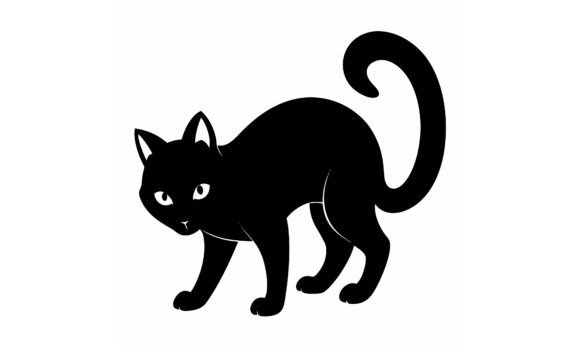
As a designer who spends more time in the embroidery hoop than at a desk, I approach every new digital embroidery file with a mix of excitement and skepticism. We have all seen the endless stream of cut files and vector graphics promising to transform our craft businesses. Recently, I put the Black Cat Silhouette Design to the test. My goal was not just to see if it would stitch out, but to evaluate its viability for real-world client projects, boutique merchandise, and personalized gifts. This review is based on practical application, focusing on how this design translates from a screen to a finished textile product.
The First Impression: Mood and Visual Personality
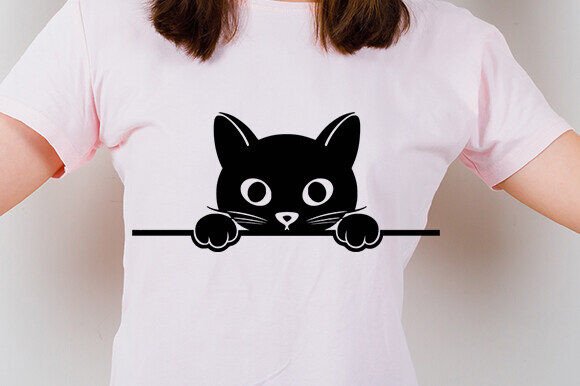
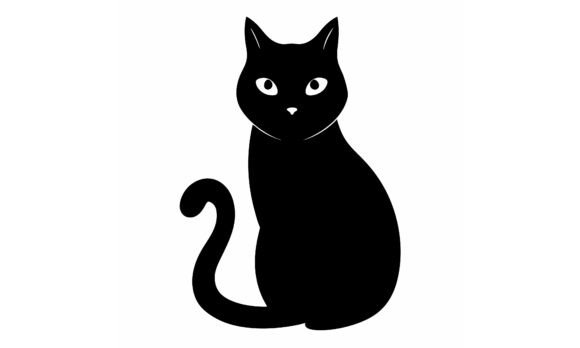
The moment you open the Black Cat Silhouette Design, the mood is immediately established. It is sleek, mysterious, and undeniably chic. Unlike intricate line-art patterns that can get lost in fabric texture, a silhouette relies on bold shapes and negative space. This creates a visual personality that feels modern and graphic. For an embroidery project, this is crucial because it suggests high contrast and clarity. The shape itself is versatile; it does not scream "Halloween" exclusively, nor does it feel too generic for year-round use. It strikes a balance that makes it perfect for a wide range of applications, from a subtle accent on a denim jacket to a statement piece on a nursery wall hanging.
In the realm of Crafts and Graphics, simplicity often wins. This design avoids unnecessary clutter, which is a significant advantage when preparing for machine embroidery. A clean silhouette reduces the risk of thread breaks and ensures that the final image remains crisp even after multiple washes. It feels like a design asset built for longevity rather than a fleeting trend.
Real-World Application: From Tote Bag to Boutique Shelf
To truly understand the potential of this file, I imagined placing it on several different products. Let us say I am prepping a custom order for a local coffee shop owner who wants branded tote bags for her customers. She requested something spooky yet elegant for the fall season. The Black Cat Silhouette Design fits this brief perfectly. When stitched onto a canvas tote bag using black thread on a dark background or white thread on a black bag, the result is striking.
I also considered its use on a baby onesie for a "witchy mom" gift set. Here, the smooth curves of the cat work well because they do not require excessive stitching density that might irritate a baby's skin. However, I had to be mindful of the placement. A large silhouette on a small onesie could look overwhelming, so scaling became a key decision point. For a sweatshirt embroidery project, the design offers a great focal point on the chest or back. The solid shape holds up well against the heavy texture of fleece or cotton blends, maintaining its identity without getting swallowed by the fabric weave.
For Etsy sellers and small business owners, the versatility is a major selling point. You can create a collection of embroidered patches using this same design. The clean edges make it ideal for applique techniques or dense fill stitches, allowing you to offer a premium product that stands out in a crowded marketplace. Whether it is a holiday gift tag, a kitchen towel for a hostess present, or a decorative pillow cover for a bohemian-style living room, the design adapts to the context while retaining its core aesthetic.
Navigating Technical Challenges and Fabric Constraints
While the design is visually appealing, no professional reviewer ignores the technical realities of embroidery. There are specific scenarios where the Black Cat Silhouette Design requires careful consideration. One such area is small hoop sizes. If you attempt to stitch this on a very small item, like a cap brim or a tiny pocket square, the proportions might shift. A silhouette that looks balanced on a large banner could appear blocky or distorted on a curved surface like a baseball cap.
Fabric texture is another critical factor. On thin, stretchy fabrics like jersey or silk, a dense fill stitch can cause puckering. Even though this is a silhouette, if the digitizing includes a heavy satin border or thick fill areas, the tension must be managed correctly. Using the proper stabilizer is non-negotiable here. Without adequate support, the fabric will distort around the cat shape, ruining the clean lines that make the design so attractive. Similarly, on textured fabrics like terry cloth or bouclé, the definition of the silhouette may be slightly softened, which can be charming but might not meet the expectations of a client seeking sharp precision.
Dense stitch areas are worth noting as well. If the design relies heavily on fill stitches to create the body of the cat, it adds weight and stiffness to the garment. This is fine for a home decor item like a pillow cover, but for a wearable item like a hoodie, it might feel uncomfortable against the skin. Always inspect the stitch density before finalizing a commercial order. If the design instructions mention specific thread colors, ensure they complement the base fabric. High contrast is usually best for silhouettes, but low-key designs can sometimes look muddy if the thread color is too similar to the fabric.
Practical Designer Notes for Success
Before committing to a full production run, I always recommend testing the design on scrap fabric first. This simple step reveals issues with thread tension, stabilizer choice, and overall layout that mockups cannot show. Check the thread color contrast carefully; a black cat on a black shirt requires a specific technique, such as using a lighter thread for outlining or relying on the fabric texture to define the shape. Conversely, a white cat on a white shirt is nearly impossible without heavy detailing.
Review the stitch density and confirm the hoop size required for your specific machine. While the file formats (SVG and EPS) are standard for digital transfer, the conversion to a machine-readable format depends on your software. Ensure you are using the correct settings for the type of stitch you intend to use, whether it is a satin stitch for the outline or a running stitch for a more delicate look. Test it in black and white mockups to visualize the impact before cutting any fabric. Compare light and dark fabric backgrounds to see how the design behaves under different lighting conditions.
Finally, confirm licensing before selling finished items. Many designers assume that buying a file grants commercial rights, but this varies. Verify whether you can sell the physical products made with the Black Cat Silhouette Design and if there are restrictions on the number of units produced. This protects your small shop product integrity and prevents legal headaches down the line.
Final Verdict on Value and Appeal
The Black Cat Silhouette Design succeeds because it understands the medium. It respects the limitations of thread and fabric while offering a strong visual hook. For the creative entrepreneur, it represents a reliable tool for building brand consistency. A customer sees a clean, professional embroidery on a tote bag or apron, and their trust in your handmade product increases instantly. It elevates the perceived value of the item, making it feel less like a DIY hobby project and more like a curated boutique find.
In terms of buyer engagement, this design taps into a timeless appreciation for feline imagery and gothic aesthetics without being overly niche. It works for Halloween, but it also works for everyday wear. Whether you are creating a personalized gift for a friend or stocking shelves for a craft fair, this design asset offers a solid foundation. It is a reminder that sometimes the most powerful designs are the ones that say the most with the least amount of detail. By following practical guidelines regarding fabric choice and stabilization, this embroidery project has the potential to become a staple in your repertoire of custom apparel and embroidered patches.