Black Cat Silhouette Sitting on White
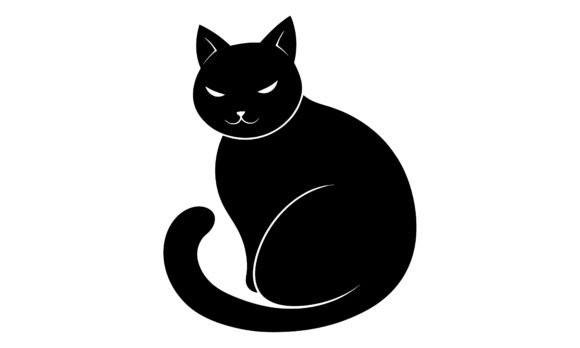
When I first opened the file for Black Cat Silhouette Sitting on White, I didn't just see a shape; I saw an immediate mood. As a designer who spends hours testing files before they ever touch a hoop, my initial reaction was one of quiet confidence. This isn't a design that screams for attention with excessive detail or cluttered lines. Instead, it relies on the power of negative space and a clean, confident outline to create a piece that feels both modern and timeless.
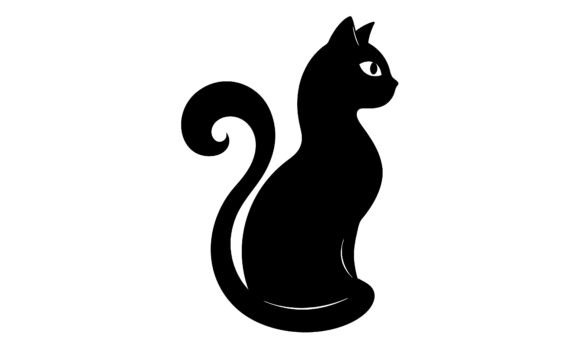
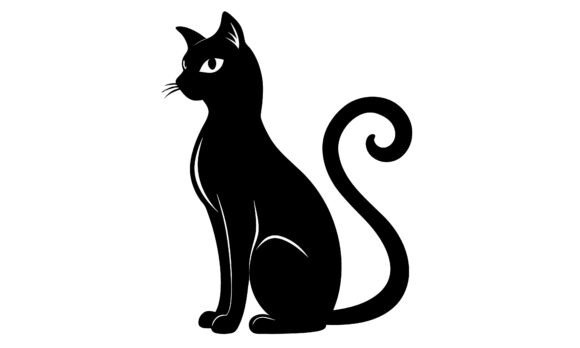
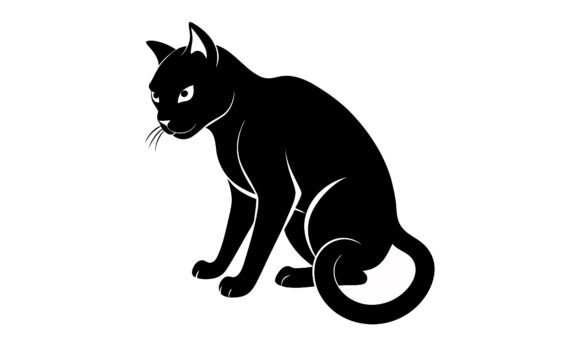
The silhouette captures that specific feline posture—the crouched, observant sitting pose—that instantly communicates personality without needing eyes or whiskers. For a digital product in the Crafts and Graphics categories, this level of simplicity is often what makes or breaks a sale. It suggests versatility. A design this clean can sit comfortably on a dark hoodie as a stark white outline or stand out boldly on a light apron as a solid black form. The visual weight is perfectly balanced, making it an excellent candidate for a wide range of embroidery projects.
From Screen to Stitch: Real-World Application
I recently decided to put this design to the test for a small batch of custom tote bags intended for a local boutique's holiday pop-up. The client wanted something spooky yet chic, avoiding the cliché "scary" aesthetic common in October collections. Black Cat Silhouette Sitting on White fit that brief perfectly. My concern wasn't about the artistic merit, but rather how the pure silhouette would translate through the needle.
In theory, a simple shape should be easy to stitch. In practice, the devil is always in the details. When I loaded the file into my digitizing software, I noticed the curves were smooth, which is crucial for maintaining the elegance of the cat's back and tail. If those lines had jagged edges, the satin stitches would have looked blocky and cheap. Fortunately, the vector paths provided in the SVG and EPS formats are crisp, allowing me to adjust the stitch density without worrying about pixelation issues.
For the tote bag project, I opted for a dense fill stitch to give the black cat a substantial feel against the canvas fabric. The result was a finished product that felt premium. Customers at the craft fair didn't just see a black shape; they saw texture and depth. The design worked so well because it respected the limitations of the medium while enhancing the handmade product appeal. It proved that sometimes, less is definitely more when it comes to commercial embroidery.
Where This Design Shines
This file is not a one-trick pony. While I tested it on a tote, my mind immediately went to other applications where a high-contrast silhouette excels. For sweatshirt embroidery, placing this on the left chest area creates a sophisticated, understated look that appeals to adults who want style without being overly literal. The clean lines ensure that even after years of washing, the design won't pucker or lose its definition.
It is also a standout choice for baby embroidery. Think of a soft onesie or a nursery pillow cover. The gentle curves of the sitting cat are non-threatening and adorable, making it perfect for personalized gifts. Because the design is essentially a single color block (or a single outline), it works beautifully with thread colors beyond just black. Using a deep navy or charcoal grey thread on a cream background can soften the look for a baby shower gift, while keeping the iconic shape intact.
For Etsy sellers and small shop owners, this design offers incredible value. It is versatile enough to be used on kitchen towels, creating a whimsical accent for a chef's apron, or stitched onto a denim patch for a backpack. The simplicity allows for creative experimentation with different backgrounds and textures. Whether you are creating holiday embroidery items or everyday wearables, Black Cat Silhouette Sitting on White provides a reliable foundation that elevates the perceived value of your finished product.
Practical Pitfalls and Precautions
However, no design is universally perfect, and as a reviewer, I must highlight where caution is needed. The primary challenge with a silhouette like this lies in the contrast requirements. If you attempt to stitch this on a dark fabric using a black thread, the design will vanish. Conversely, stitching a black fill on a white fabric requires a very stable setup to prevent the fabric from showing through the gaps if the density isn't high enough.
I would advise against using this design for small hoop sizes if you plan to add intricate lettering around it. The silhouette itself is fine, but the surrounding space needs to breathe. Furthermore, textured fabrics like heavy waffle knits or loose weaves can distort the clean lines of the cat. On these materials, the fabric texture might interfere with the smoothness of the satin stitch outlining the shape, leading to a slightly rougher finish than intended.
Another critical consideration is the hoop size relative to the garment curvature. If you are planning to embroider this on a cap or a curved hat, the flat nature of the silhouette might look distorted if the machine doesn't compensate for the curve correctly. Always check the machine compatibility settings and ensure your stabilizer is robust enough to hold the tension during the running stitch and fill phases. Thin, stretchy fabrics are particularly risky here; without proper backing, the pull of the threads could warp the material, ruining the sleek profile of the cat.
Design Notes for the Serious Maker
Before you commit to a full production run, there are essential steps every embroidery designer should take. First and foremost, test the design on scrap fabric that matches your final project material. This helps you gauge how the stitch density interacts with the specific weave of your cloth. You need to verify that the fill stitch covers the fabric completely without looking muddy.
Review the file structure carefully. Since the description mentions SVG and EPS formats, ensure you convert them to your machine's native format correctly. Check the digital embroidery file for any stray points or unnecessary nodes that could cause the machine to pause or skip stitches. It is also wise to inspect small details under magnification; sometimes, tiny corners in a silhouette can get lost if the stitch count is too low.
Don't forget to test the design in black and white mockups. Seeing the design digitally can sometimes mask issues that only appear in 3D thread form. Compare how it looks on light versus dark backgrounds to ensure you have the right thread choices. If you are selling this as part of a craft business, confirm the licensing terms explicitly. Some files allow for personal use but restrict commercial sales of finished items. Understanding these rules protects your reputation as a professional design assets provider.
Ultimately, Black Cat Silhouette Sitting on White is a strong addition to any library of graphics. It strikes a balance between artistic flair and technical feasibility. By paying attention to fabric selection, stabilization, and thread contrast, you can transform this simple digital file into a stunning embroidered patch or a beloved custom apparel item. It is a reminder that great design isn't always about complexity; sometimes, it is about capturing a perfect moment in a single, confident line.