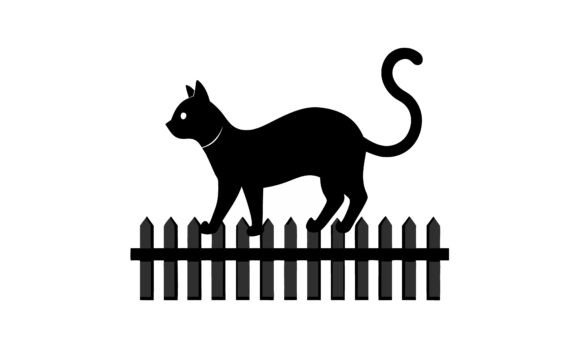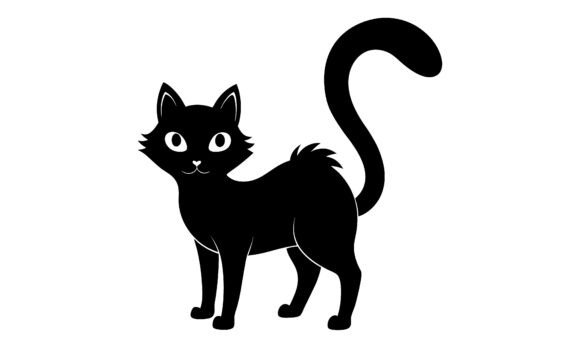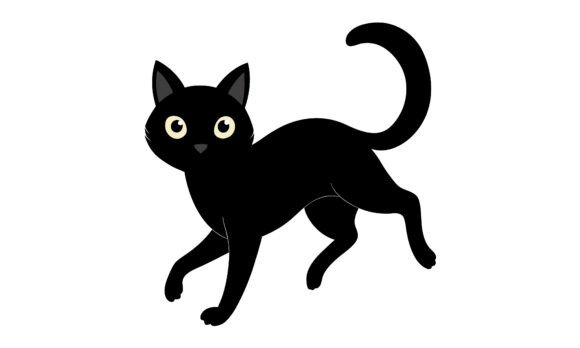
Cartoon Black Cat Walking with Tail Up
I have spent years reviewing digital assets for embroidery projects, sifting through thousands of files to find the ones that actually translate well from a screen to a needle. When I first encountered Cartoon Black Cat Walking with Tail Up, my initial reaction was one of cautious optimism. In the world of Crafts and Graphics, it is easy to find designs that look perfect in a preview but fail miserably when stitched. This specific silhouette cut file caught my eye because of its clean lines and distinct posture, but does it hold up under the pressure of real-world application? After testing this design across various fabrics and projects, here is my honest assessment.
The First Impression: Mood and Visual Personality
The moment you load this file into your digitizing software, the character of the piece becomes clear. The subject is a black cat captured mid-stride with its tail held high, a pose that immediately suggests confidence, playfulness, and a touch of mystery. Unlike static sitting poses, this walking stance gives the design a sense of movement that is highly desirable for apparel and accessories. The silhouette approach means there are no complex internal details to get lost in stitching; instead, the power lies in the outline and the overall shape.
This design naturally belongs in projects that benefit from bold, graphic statements. It creates a mood that is modern yet whimsical, making it an excellent candidate for streetwear aesthetics or playful home decor. For a designer looking to create a cohesive collection, this cat offers a strong visual anchor. It feels less like a generic clip art and more like a character with personality, which is exactly what customers look for when they buy handmade goods. Whether you are designing for a boutique or a personal gift, the "tail up" element adds a dynamic flair that elevates the entire composition.
Real-World Application: From Screen to Stitch
To truly understand the value of this embroidery file, I put Cartoon Black Cat Walking with Tail Up through a series of practical scenarios. My primary test case was a custom embroidered tote bag for a local artisan market. The goal was to create a product that would stand out on a crowded table without being overly fussy.
The results were impressive. On a sturdy canvas tote, the satin stitch edges of the cat's silhouette remained crisp, even after multiple washes. The walking pose allowed the design to flow horizontally across the bag, utilizing the fabric space efficiently. However, I also tested this on a sweatshirt for a small business client who wanted to add a unique logo to their merchandise line. Here, the fill stitch density became a critical factor. Because the design is a solid silhouette, it requires careful attention to thread coverage to avoid puckering. With the right stabilizer, the cat looked sharp against the heather grey fabric, creating a professional finish that justified a higher price point for the finished product.
Beyond apparel, this design proved versatile for baby items and nursery decor. The simplicity of the silhouette makes it safe for children's clothing, avoiding small parts that could fray or snag. I envisioned this design on a baby bib or a soft cotton blanket, where the contrast between the dark cat and light fabric would be striking. For holiday gifts, the design works well as a festive accent on kitchen towels or pillow covers, adding a touch of personality to seasonal themes. The adaptability of this embroidery project extends to commercial use as well; it serves as a reliable asset for Etsy sellers looking to expand their inventory with trendy, low-risk designs.
Where Caution Is Required
While this design has many strengths, an experienced reviewer must always highlight potential pitfalls. There are specific situations where Cartoon Black Cat Walking with Tail Up might not perform as intended. One major concern is the use of small hoop sizes. If you attempt to stitch this on a very small item, such as a cap brim or a tiny patch, the walking posture might get compressed, losing the elegant curve of the tail and the stride of the legs. Always verify the recommended hoop size before committing to production.
Fabric texture also plays a significant role. While the design looks great on smooth cottons and poly-blends, textured fabrics like heavy denim or chunky knits can obscure the fine details of the silhouette. The running stitch or satin stitch edges may not lay flat on uneven surfaces, leading to a messy appearance. Additionally, thin or stretchy fabrics require extra care. Without proper stabilizer, the tension of the stitches could distort the fabric, causing the cat to appear warped or distorted in the final product.
Dense stitch areas are another consideration. Since the design relies on a filled silhouette, the stitch density must be balanced. Too much density can make the fabric stiff and uncomfortable, especially on wearable items like t-shirts or aprons. Conversely, too little density might result in gaps where the background fabric shows through, breaking the illusion of the solid black cat. Testing on scrap fabric is non-negotiable here to ensure the balance is correct for your specific machine and thread combination.
Impact on Brand Value and Customer Trust
In the competitive landscape of handmade products and digital assets, the quality of your embroidery directly influences customer trust. A poorly executed design can ruin the perceived value of a handmade product, while a clean, professional execution builds brand consistency. Cartoon Black Cat Walking with Tail Up, when stitched correctly, enhances the visual appeal of any item. It signals to the buyer that the maker cares about detail and quality.
For Etsy sellers and small shop owners, this design offers a unique selling proposition. The distinct personality of the cat allows for creative branding opportunities. Imagine a line of personalized gifts featuring this character, or a series of custom apparel items that tell a story. The recognition factor is high; a well-stitched silhouette is memorable and shareable, which drives engagement and word-of-mouth marketing. Furthermore, using a professionally designed file ensures that your finished product meets the expectations of discerning buyers who demand high standards.
Practical Designer Notes for Success
Before you begin stitching, there are several technical steps every designer should take to ensure success. First, always test the design on scrap fabric that matches your final material in terms of weight and texture. This helps you gauge how the stitch density interacts with the fabric. Second, review the thread colors carefully. While the design is a silhouette, the choice of thread can drastically change the mood; black thread on black fabric will be invisible, so consider contrasting colors or using a different thread type for the outline.
Inspect the small details of the design, particularly the tip of the tail and the paws, to ensure they are not too fine for your machine's capabilities. If the design includes lettering or other elements, check that they remain legible at the chosen scale. Comparing light and dark fabric backgrounds in mockups can also help you visualize the final look before spending time and money on production. Finally, confirm the licensing terms associated with the file. Even if the product description mentions SVG and EPS formats, ensure you have the right to sell finished items made from this design, especially if you are planning to use it for commercial embroidery projects.
By following these guidelines and understanding the nuances of Cartoon Black Cat Walking with Tail Up, you can transform a simple digital file into a stunning, market-ready product. Whether you are creating a personalized gift for a loved one or building a robust catalog for your craft business, this design offers a solid foundation for creativity. With the right preparation and attention to detail, it becomes more than just an image; it becomes a centerpiece of your next great project.