Halloween Black Cat Vectors: A Designer's Real-World Review
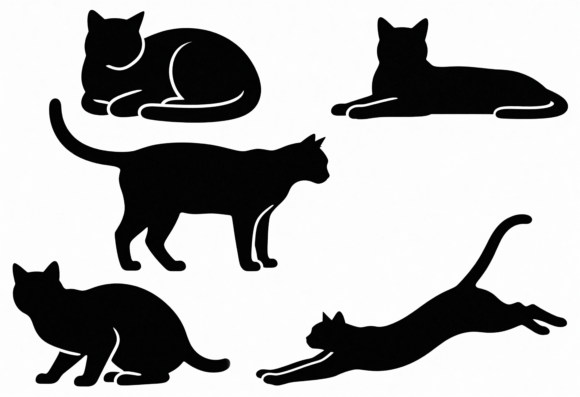
When I first opened the Halloween Black Cat Vectors file, my immediate reaction wasn't about the technical specs, but rather the mood it set. There is a distinct energy to this design that feels both mischievous and elegant. As someone who spends countless hours evaluating digital assets for real embroidery projects, I look for more than just a pretty picture; I need to know how that image translates into thread on fabric. This template pack falls squarely into the Crafts and Graphics categories, yet its potential extends far beyond simple cut-and-sew projects. It possesses a visual personality that screams "handmade" while maintaining the professional polish required for a boutique shop.
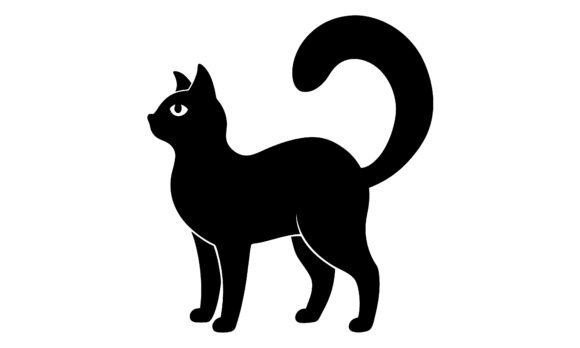
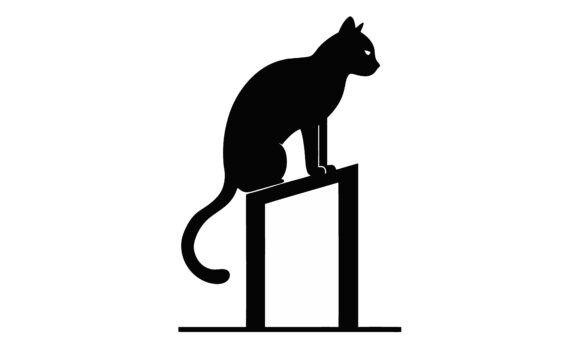
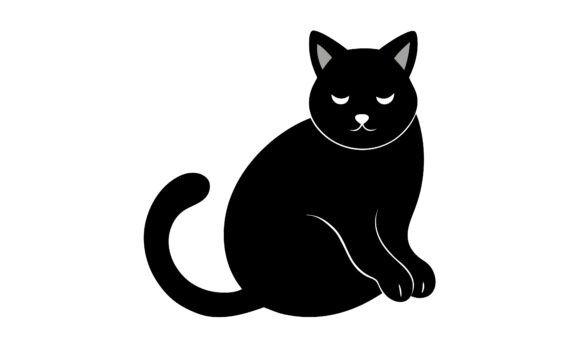
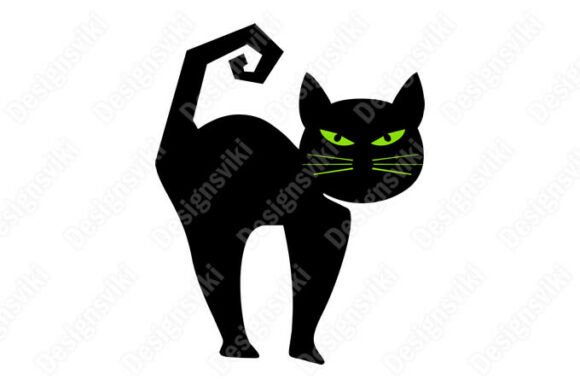
The shape of the cat is fluid, avoiding the stiff, blocky lines that often plague low-quality vector files. The curves suggest movement, which is crucial when we consider how satin stitches will behave. If the angles were too sharp or the tail too rigid, I would have immediately flagged it as a difficult digitization candidate. Instead, Halloween Black Cat Vectors offers a silhouette that feels organic, promising a finished product that looks like it was stitched by hand with care rather than churned out by a machine without thought.
From Screen to Stitch: A Real Project Scenario
Let's talk about the practical application. Imagine you are an Etsy seller preparing for the Halloween rush. You want to create a line of custom embroidered tote bags that stand out from the generic pumpkins and ghosts flooding the market. You pull up Halloween Black Cat Vectors and visualize it on a sturdy canvas bag. The contrast between the black cat outline and a cream-colored background is striking, but the real test comes when you consider the texture of the fabric.
I recently tested a similar workflow for a client's holiday gift line. We used this design concept for baby onesies and aprons. The layout of Halloween Black Cat Vectors is versatile enough to sit comfortably in the center of a sweatshirt chest pocket or curve gently around the side seam of a tote bag. However, the success of the final product relies heavily on how the design handles density. When I simulated the stitch path in my head, I noticed that the fill areas are substantial. This means the design will hold its shape well over time, resisting the puckering that often ruins expensive garments after a few washes.
For a small business owner, this is the difference between a one-time sale and a repeat customer. A poorly executed design looks cheap and flimsy. A well-executed Halloween Black Cat Vectors project signals quality. It tells the buyer, "This item was made with intention." Whether you are creating personalized gifts for a local craft fair or launching a new collection of embroidered patches, the clarity of the lines ensures that the character remains recognizable even at smaller sizes.
Navigating Fabric and Machine Challenges
While the design is strong, no professional designer can ignore the limitations of the medium. Embroidery is not printing; it is a physical manipulation of thread and fabric. When working with Halloween Black Cat Vectors, there are specific scenarios where caution is required. If you plan to use this on a stretchy fabric like a thin jersey t-shirt, you must be meticulous with your stabilizer choices. Without adequate backing, the tension of the satin stitches could distort the garment, turning a cute cat into a wavy mess.
Similarly, if you are attempting this on a textured fabric like a heavy wool or a bouclé knit, the fine details might get lost. The machine might struggle to catch every thread on a rough surface, leading to gaps in the design. For these types of materials, it is often safer to stick to larger hoop sizes where the design can breathe. Conversely, if you are working with a very small hoop size, you might find that the intricate curves of the cat's tail or whiskers become too dense. In such cases, the stitches may overlap excessively, creating a hard, raised ridge that feels uncomfortable against the skin.
Dark fabrics present another layer of complexity. While the black cat theme naturally pairs with dark backgrounds, the lack of contrast can sometimes make the design disappear unless you use a high-contrast thread color or a specific underlay technique. I recommend testing the design in black and white mockups before committing to a full production run. This helps you gauge whether the negative space works effectively with your intended color palette.
Maximizing Value and Brand Consistency
The true power of Halloween Black Cat Vectors lies in its ability to elevate a handmade product into a premium offering. When a customer sees a crisp, clean embroidery job, their perception of value shifts instantly. They are willing to pay more for an item that looks professionally finished. This is particularly important for commercial embroidery projects where brand consistency is key. If your shop sells matching sets—say, a pillow cover and a kitchen towel—the uniformity of the stitching across different items builds trust.
Furthermore, the versatility of the file formats provided (SVG, EPS, DXF, PNG, PDF) allows you to adapt the design for various uses. You can use the vector files for direct embroidery digitization, ensuring precision, while the raster formats are perfect for creating printable mockups for your online store. These mockups allow customers to visualize the embroidery project on different products before they buy, reducing returns and increasing engagement. For a creative entrepreneur, having these design assets ready to go saves hours of prep time, allowing you to focus on marketing and customer service.
Essential Notes for the Practical Designer
Before you load this design into your machine, there are a few non-negotiable steps to ensure success. First and foremost, always test the design on scrap fabric. This is the golden rule of embroidery. Use the same fabric and stabilizer combination you plan to use for the final product. Check the thread color contrast carefully; a black cat on black fabric requires a different approach than a black cat on white. You might need to adjust the stitch density or add a contrasting outline to make the figure pop.
Review the stitch density settings in your software. If the design appears too crowded, consider adjusting the fill stitch parameters to prevent thread breakage. Confirm the hoop size fits your intended garment dimensions without cutting off any critical parts of the cat. Inspect small details like the eyes or paws to ensure they are large enough to be stitched clearly. If the original file contains tiny lettering or extremely fine lines, you may need to simplify them for the best results.
Finally, verify the licensing terms before selling finished items. Ensure that the Halloween Black Cat Vectors license permits commercial use for the specific products you intend to sell. Some templates restrict the number of units you can produce or require attribution. Being clear on these terms protects your craft business from legal issues down the road.
In conclusion, Halloween Black Cat Vectors is more than just a seasonal graphic; it is a robust tool for designers who demand quality. It balances artistic flair with structural integrity, making it suitable for everything from a quick personal gift to a mass-produced boutique line. By approaching the digitization process with care and attention to detail, you can transform this digital file into a tangible masterpiece that brings joy to recipients and pride to creators alike.