Not a Slay, Christmas Tree Cat Embroidery Review
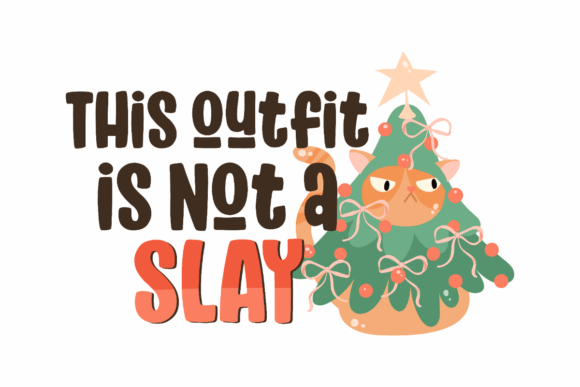
As someone who has spent years turning digital files into tangible handmade products, I know that the difference between a good design and a great one often comes down to how it translates from screen to fabric. When I first laid eyes on the Not a Slay, Christmas Tree Cat design, my initial reaction was a mix of amusement and practical skepticism. The concept is undeniably funny: a disgruntled feline dressed as a holiday tree, declaring that their festive outfit is "NOT a SLAY." It captures a very specific modern mood that resonates with anyone who finds themselves overwhelmed by the holiday season. But for an embroidery designer or a small business owner looking to create high-quality merchandise, humor alone isn't enough. The execution matters.
This review breaks down exactly how this machine embroidery design performs in real-world scenarios, focusing on stitching clarity, fabric compatibility, and its potential impact on your brand's reputation. Whether you are an Etsy seller planning your holiday collection or a hobbyist preparing a unique gift, understanding the nuances of this embroidery file is crucial before you hit the start button on your machine.
The First Impression: Mood and Visual Personality
The strength of Not a Slay, Christmas Tree Cat lies in its personality. It is not just a generic cat silhouette; it conveys attitude. For a custom apparel project, this kind of emotional connection is what drives sales. The layout suggests a central focal point with text integrated directly into the scene, which is perfect for creating a cohesive look on items like tote bags or sweatshirts. However, the "disgruntled" nature of the subject means the design relies heavily on clean lines and expressive details. If the stitch density is too low, the cat might lose its sassy expression. If it is too high, the fabric could pucker, ruining the visual appeal.
In terms of category, this falls squarely under Crafts and Graphics intended for textile application. It feels most at home on items where sarcasm is celebrated, such as kitchen towels, aprons, or casual wear. The design promises to be a conversation starter, but only if the final finished product looks professional. A poorly executed sarcastic design can look messy rather than witty, so the technical aspects of the embroidery project need to support the joke.
Real-World Application: From Tote Bags to Boutique Merchandise
I recently considered using this design for a custom embroidered tote bag intended for a local craft fair. The idea was to target shoppers who appreciate dry humor and want something unique for their holiday shopping. In this scenario, the Not a Slay, Christmas Tree Cat would likely perform well because tote bags provide a large, stable canvas. The flat surface allows for consistent satin stitch work, ensuring the text remains legible and the cat's features are distinct.
However, let's imagine a different use case: a baby onesie. While the theme is cute, the "sarcastic" tone might clash with traditional baby gifts unless the parents specifically request it. On a soft, stretchy fabric like jersey knit, the hoop size becomes critical. You need a stabilizer that prevents the fabric from distorting while the needle punches through. If the design includes dense fill stitches around the cat's body, the stiffness of the embroidery could make the garment uncomfortable for an infant. This highlights why checking the stitch density and choosing the right stabilizer is non-negotiable.
For a boutique selling small shop products, this design offers excellent versatility. It works beautifully as an embroidered patch that can be sewn onto denim jackets or beanies. The contrast between the holiday theme and the modern slang creates a trendy aesthetic that fits perfectly with current fashion trends. If you are selling digital design assets or printable mockups, this image is a strong candidate because it appeals to a wide demographic of creative entrepreneurs looking for fresh, relatable content.
Navigating Technical Challenges
While the design is promising, there are specific areas where caution is required. One of the biggest pitfalls in embroidery is working with textured fabrics. If you attempt to embroider Not a Slay, Christmas Tree Cat on a heavy corduroy or a rough linen, the fine details of the cat's face might get lost in the texture of the material. Similarly, thin fabrics like silk or lightweight cotton require extra care; without proper backing, the tension of the threads could cause the fabric to tear or wrinkle significantly.
Another area to watch is dark fabric. Unless the design includes a high-contrast thread palette or a background applique element, the colors might not pop effectively. You must carefully select your thread colors to ensure the white or light elements stand out against a black or navy background. Testing the design in a black and white mockup beforehand can help you visualize the contrast levels and avoid disappointing results when the final piece is delivered.
Curved surfaces like caps also present a challenge. While the design is dynamic, placing it on a curved brim requires precise hoop placement. If the design extends too far toward the edges of the curve, the distortion will make the text unreadable. For these applications, a smaller hoop size might be necessary to maintain precision, even if it means cropping some of the surrounding elements.
Impact on Brand Trust and Product Value
When you are running a craft business or selling on platforms like Etsy, every detail contributes to customer trust. A sloppy embroidery project can damage your reputation quickly. Conversely, a well-executed design like Not a Slay, Christmas Tree Cat elevates the perceived value of your item. Customers are willing to pay more for a product that looks professionally made, even if the concept is humorous. The clarity of the running stitch and the neatness of the fill stitch areas signal quality.
If the design is used correctly, it enhances the giftability of your items. A personalized gift featuring a unique, high-quality embroidery stands out compared to mass-produced decorations. It shows that you put thought into the selection and execution. However, if the design fails due to poor setup, the humor is lost, replaced by frustration. Therefore, verifying the license terms before selling finished items is essential to protect your business legally and ethically.
Essential Designer Notes for Success
Before you commit to producing a batch of items with this design, follow these practical steps to ensure success:
- Test on Scrap Fabric: Always run a test stitch on a scrap piece of the same material you plan to use. This helps you gauge how the fabric reacts to the needle and identifies any potential puckering issues.
- Check Thread Contrast: Ensure your chosen thread colors provide sufficient contrast against the fabric. Test both light and dark backgrounds to see how the design holds up.
- Review Stitch Density: Look closely at the embroidery file structure. Dense areas may require a cutaway stabilizer to prevent shifting, especially on stretchy materials.
- Inspect Small Details: Zoom in on the cat's facial features and the lettering. Tiny details often get lost if the hoop size is too small or the resolution is insufficient.
- Confirm Licensing: Double-check whether the digital embroidery file allows for commercial use. Some designs are for personal use only, and selling finished products without permission can lead to legal trouble.
By taking these precautions, you ensure that Not a Slay, Christmas Tree Cat delivers the punchline it promises. It is a design with potential, capable of becoming a staple in your holiday collection if handled with the care and expertise it deserves. Whether you are creating a single personalized gift or a line of commercial embroidery products, the key is to prioritize quality over speed. With the right preparation, this design can transform a simple piece of fabric into a memorable, wearable piece of art that celebrates the chaotic joy of the holidays.