Real-World Review: Cat Mama PNG for Embroidery Projects
As a designer who has spent years turning digital files into tangible, stitched treasures, I approach every new asset with a mix of excitement and skepticism. When Cat Mama PNG landed on my desk, I didn't just see a cute graphic; I saw a potential bestseller for a boutique shop or a heartwarming gift for a friend. But before I could even load the file into my embroidery machine, I had to ask myself the hard questions: Does this translate well from screen to fabric? Is it too detailed for a small hoop? Will it hold up after a few washes?
The answer lies in how we interpret the design's visual personality and apply practical stitching logic. This review breaks down exactly what happens when you take Cat Mama PNG out of the digital realm and into a real-world embroidery project.
First Impressions and Visual Personality
The moment you open Cat Mama PNG, the mood is immediately established. It isn't just an image; it is a statement of identity. The layout feels balanced, likely featuring a central figure that commands attention without overwhelming the surrounding space. For a craft business owner or an Etsy seller, this is crucial. You need a design that communicates "whimsical" or "cozy" instantly, because your customers are scrolling past hundreds of other options.
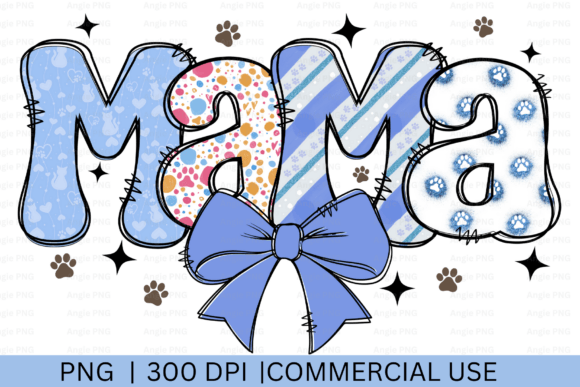
The 300 dpi resolution mentioned in the product details suggests a crisp line quality that should translate well during digitization. However, the transparent background is a double-edged sword. While it makes layering easy for digital scrapbooks or printable mockups, it requires careful consideration when preparing for physical production. In the world of machine embroidery design, the negative space is just as important as the positive. If the original graphic has loose lines or intricate details that might get lost in thread, the final finished product could look muddy rather than sharp.
This design naturally belongs in projects that celebrate domestic life, motherhood, or pet love. It screams personalization. Imagine a custom sweatshirt for a first-time mom, or perhaps a set of kitchen towels for a housewarming gift. The theme is versatile enough to fit into embroidery project categories ranging from baby clothes to adult apparel, provided the execution matches the intended scale.
From Screen to Stitch: Real-Life Scenarios
Let's imagine a specific scenario. You are preparing for a holiday craft fair, and you want to create a line of tote bags featuring Cat Mama PNG. You select a sturdy canvas bag, but the surface is textured. How does the design behave here?
In this situation, the stitch density becomes the deciding factor. A high-density fill stitch will struggle to sit flat on a rough canvas texture, potentially causing puckering or thread breakage. Conversely, if the design relies heavily on a satin stitch for outlines, the texture of the bag might prevent the needle from penetrating cleanly. For a tote bag, which is often used frequently, durability is key. The design must be robust enough to withstand the friction of carrying groceries or books.
Now, consider a different angle: a baby onesie. Here, the stakes are higher regarding comfort and safety. A soft knit fabric stretches, and if the Cat Mama PNG design includes large areas of dense stitching, it can create a stiff patch that irritates a baby's skin. In this case, you might opt for a lighter running stitch approach or ensure the stabilizer is cut away effectively. The design works beautifully for nursery decor or a pillow cover, where the fabric is usually taut and stable, allowing the full detail of the Graphics category asset to shine through.
For commercial embroidery projects, such as branding for a local cat cafe or merchandise for a small shop, consistency is everything. Cat Mama PNG offers a cohesive look that can be replicated across various items—aprons, caps, and tea towels. However, the challenge lies in adapting the file size. A logo on a hat needs to be significantly smaller than a large back-print on a sweatshirt. You must verify if the vector or raster data supports scaling without losing the integrity of the embroidery file.
Where Caution is Required
Not every application is a perfect fit. There are specific scenarios where Cat Mama PNG might require extra caution or even a redesign. Small hoop sizes are the first red flag. If the design contains tiny lettering or delicate whiskers, shrinking it down for a child's hat or a pocket placement can result in a blob of thread. The eye can forgive a little fuzziness on a large print, but on a 4x4 inch embroidery area, every pixel counts.
Textured fabrics like chenille or heavy corduroy can hide the fine details of the design. Similarly, stretchy fabrics like jersey or spandex blends demand a very specific stabilization strategy. If the stabilizer is not adequate, the design will distort, stretching the fabric unevenly. Dark fabrics present another hurdle. If the original design relies on white or light threads for highlights, they might get lost against a black shirt unless a high-quality underlay is used to provide contrast.
Limited color palettes are also worth noting. If the design is intended to be multi-colored, ensure your machine has enough needles or that you are prepared for multiple thread changes. For a busy small business owner, time is money. A design that requires ten thread changes per unit might not be profitable for mass production. Always check the complexity before committing to a bulk order.
Design Notes for the Professional Maker
Before you rush to sell or gift these items, there are non-negotiable steps to ensure success. First, always test the design on scrap fabric. This simple step reveals issues with tension, density, and alignment that cannot be predicted by looking at a screen. Check the thread color contrast carefully; sometimes a design looks vibrant on a monitor but dull in person due to lighting differences.
Review the stitch density critically. High density creates a luxurious feel but adds weight and stiffness. Low density might look airy but can leave gaps in the fabric. Confirm your hoop size early to avoid cropping essential parts of the Cat Mama PNG artwork. Inspect small details like eyes or paws to ensure they won't disappear during the stitching process.
It is also wise to test the design in black and white mockups. This helps you visualize the value and contrast of the shapes without the distraction of color. Compare how it looks on both light and dark backgrounds to ensure versatility. Finally, confirm the licensing terms. Are you allowed to use this for commercial purposes? Can you sell the finished products? Understanding the rights associated with the digital embroidery file protects your reputation and your business.
Final Thoughts on Value and Appeal
Ultimately, Cat Mama PNG has the potential to elevate a handmade product from a simple craft item to a professional piece of art. When executed correctly, it builds customer trust and enhances brand consistency. The emotional connection a buyer feels when seeing a well-stitched design of a beloved theme is powerful. It transforms a generic tote bag into a personalized gift that tells a story.
However, the success of the project rests entirely on the skill of the embroiderer and the suitability of the materials. By treating the design with respect, testing thoroughly, and understanding the limitations of the medium, you can create stunning custom apparel and handmade products that stand out in a crowded market. Whether you are an experienced pro or a hobbyist looking to start a side hustle, Cat Mama PNG offers a solid foundation for creativity, provided you navigate the technical challenges with care and precision.