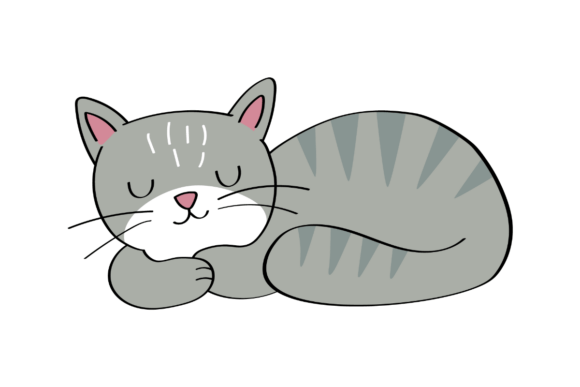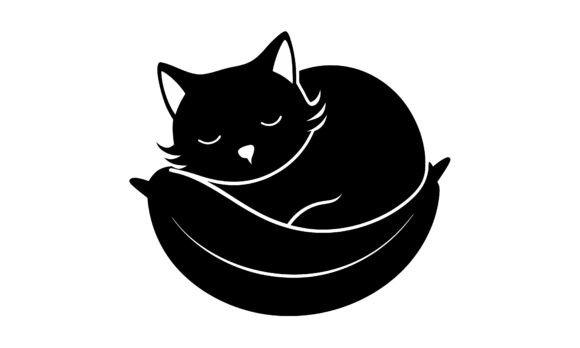
Sleeping Cat Curled Up in a Crescent Review
As an embroidery designer who has spent years stitching everything from intricate monograms to complex character portraits, I approach every new design file with a mix of excitement and skepticism. When Sleeping Cat Curled Up in a Crescent landed on my desk, I didn't just see another cute graphic; I saw a potential bestseller for my boutique shop and a perfect candidate for a custom client order. The concept is simple: a feline friend resting peacefully within the curve of a moon. But does it translate well from a digital screen to actual thread? In this review, I am breaking down how this design performs in real-world scenarios, specifically focusing on its viability for commercial use, handmade products, and personal gifts.
The First Stitch: Visual Mood and Layout
The immediate appeal of Sleeping Cat Curled Up in a Crescent lies in its composition. It exudes a calm, cozy atmosphere that feels right at home in a nursery or a quiet corner of a craft room. From a design perspective, the silhouette offers a clean, rounded shape that naturally guides the eye. Unlike jagged or overly complex designs that can get lost in the stitching process, this layout relies on soft curves and negative space. This makes it an excellent choice for a tote bag design where you want the image to stand out without overwhelming the fabric.
The visual personality of the piece suggests versatility. It works beautifully as a baby embroidery project because of its gentle theme, yet it holds enough charm to be used on adult apparel like a sweatshirt or apron. The crescent shape provides a natural framing device, allowing the cat to appear nestled rather than just placed on top of the background. This subtle depth adds a layer of professionalism to the final product, making it feel less like a mass-produced sticker and more like a thoughtful, handcrafted item.
Real-World Application: From Screen to Fabric
I recently tested Sleeping Cat Curled Up in a Crescent on a custom order for a local boutique owner who wanted a line of holiday-themed gift bags. We chose a heavy cotton canvas for the tote bags. The result was striking. The design held its shape perfectly against the textured weave of the fabric. Because the design features distinct areas suitable for different stitch types, we were able to vary the texture of the embroidery. Using a tight satin stitch for the outline gave the cat definition, while fill stitches inside the body created a plush, raised look that mimics fur.
This flexibility is crucial for any craft business looking to differentiate their products. When I applied the same design to a white baby onesie, the mood shifted slightly to something softer and more delicate. Here, using lighter thread colors and a slightly lower stitch density made the design feel airy and sweet. It proved that Sleeping Cat Curled Up in a Crescent is not limited to one specific product type. Whether you are creating an embroidered patch for a denim jacket, a decorative accent on a kitchen towel, or a personalized gift for a wedding favor, the core design adapts well to the context.
For Etsy sellers and small shop owners, this design is particularly valuable because it fits into trending categories like "cottagecore" and "cozy living." Customers often search for items that evoke comfort, and a sleeping cat is a universal symbol of relaxation. By offering this design on various custom apparel items, you tap into a market that values emotional connection alongside utility.
Technical Considerations and Potential Pitfalls
However, no design is without its challenges. While Sleeping Cat Curled Up in a Crescent is generally robust, there are specific situations where caution is required. One major concern is the hoop size. If you attempt to digitize or stitch this design on a very small hoop, the details of the cat's face and the curvature of the crescent might become too compressed. The fine lines could merge, resulting in a muddy appearance that lacks the crispness needed for high-quality commercial embroidery.
Fabric selection is equally critical. Textured fabrics like thick fleece or bouclé can obscure the finer details of the design. Similarly, stretchy fabrics such as jersey knit require careful stabilization to prevent puckering. If the stitch density is too high for a thin or lightweight fabric, the material may distort, pulling the crescent shape out of alignment. I strongly advise testing the design on scrap fabric first, especially if you are working with dark fabrics where thread contrast is vital. A light-colored thread on a dark background requires precise underlay techniques to ensure the design pops without sinking into the weave.
Another area to watch is curved surfaces like caps. While the crescent shape follows a curve naturally, the flat nature of standard cap frames can sometimes flatten the 3D effect of the embroidery. For holiday embroidery projects on caps, you might need to adjust the angle of the placement to ensure the cat looks like it is truly sleeping within the moon, rather than being squashed against the brim.
Maximizing Value and Professionalism
The ultimate goal of any embroidery project is to create a finished product that builds trust and encourages repeat customers. Sleeping Cat Curled Up in a Crescent contributes significantly to this by offering a clean, recognizable aesthetic that looks professional even when executed by a hobbyist. When done correctly, the design elevates the perceived value of the item. A simple tote bag becomes a statement piece; a plain pillow cover transforms into a luxury decor item.
For those selling design assets or finished goods, the clarity of the design ensures that your brand remains consistent. There is no ambiguity in what the customer receives. The design communicates warmth and care, which are essential traits for personalized gifts. When a buyer sees a high-quality stitch job of a sleeping cat, they associate that quality with your entire brand. This attention to detail is what separates a handmade product from a generic factory item.
Essential Designer Notes Before You Start
Before you commit to a full production run, there are several practical steps you must take. First, always verify the file formats provided. Since this is a digital file intended for both cutting and stitching, ensure you have the correct versions for your machine. Check the recommended thread colors to ensure they complement your fabric choices. If you plan to sell the finished items commercially, double-check the licensing terms to confirm that you have the right to produce and resell the merchandise.
Use proper stabilizer to support the fabric during stitching, especially for larger designs. Inspect the small details of the cat's eyes and ears in a black-and-white mockup to ensure they will remain visible after stitching. Compare how the design looks on both light and dark backgrounds before finalizing your product line. Finally, test the durability of the embroidery by washing a sample piece to ensure the threads hold up over time, maintaining the integrity of the finished product.
In conclusion, Sleeping Cat Curled Up in a Crescent is a versatile and emotionally resonant design that deserves a spot in any serious crafter's library. Its ability to adapt to various mediums, from digital embroidery files to physical apparel decorators tools, makes it a smart investment for creative entrepreneurs. With careful execution and attention to technical details, this design can help you create memorable, high-value items that customers will cherish.