Standing Black Cat Reaching Upward Embroidery Review
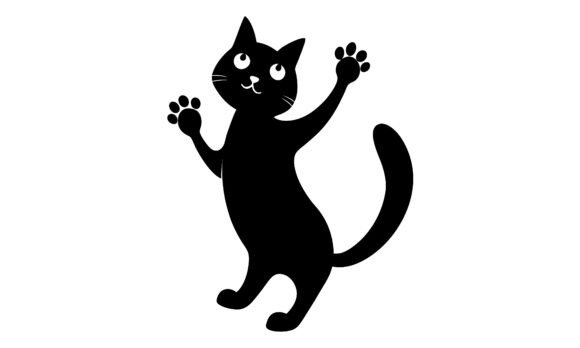
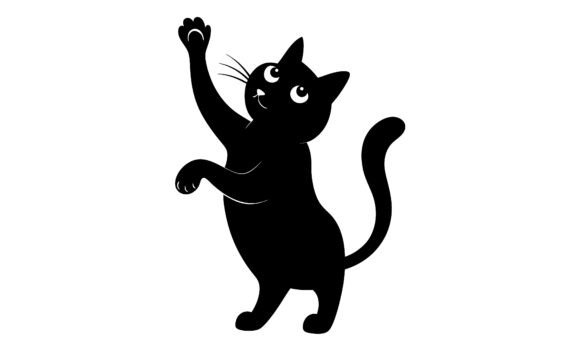
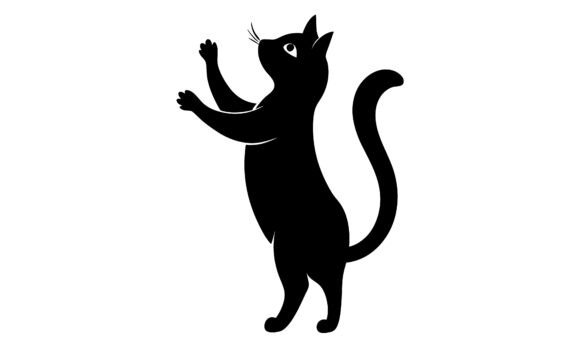
When I first opened the digital file for Standing Black Cat Reaching Upward, my initial reaction wasn't just about the cuteness factor, though that is certainly there. As a designer who spends hours staring at stitch paths and density maps, I was immediately looking at the silhouette's potential in a physical medium. This design isn't just a cute image; it is a specific mood captured in vector lines. The upward reach creates a sense of aspiration and playfulness that feels perfect for modern, minimalist, or slightly whimsical branding.
The concept of a black cat reaching up has a timeless appeal, but translating that into a machine embroidery design requires serious consideration. Unlike a print on a t-shirt where ink can be infinitely detailed, embroidery relies on thread to create form. My first thought was how this shape would behave on different fabrics. Would the sharp angles of the paws hold their definition? Would the sleek body of the cat look too dense if filled incorrectly? These are the practical questions every embroidery designer must answer before hitting the "stitch" button.
Real-World Application: From Digital File to Finished Product
I recently decided to put Standing Black Cat Reaching Upward to the test with a real project scenario. I wanted to create a limited run of custom tote bags for a local boutique that specializes in artisanal goods. The goal was to add a touch of personality without overwhelming the canvas material. The silhouette nature of the design makes it an ideal candidate for this type of tote bag design.
The challenge with a black cat on a potentially dark or neutral-colored fabric is contrast. If the background is dark, you need a light thread color, or vice versa. In my mockup testing, I found that using a bright white or silver metallic thread against a deep navy or charcoal canvas made the cat pop beautifully. The upward reach of the paws became a focal point, drawing the eye naturally. For a small shop owner or Etsy seller, this kind of visual hierarchy is crucial. It tells a story instantly: playful, elegant, and handcrafted.
I also considered how this design would translate to other products. Imagine this same embroidery file on a baby onesie. The soft curves of the cat's back would work wonderfully with the gentle aesthetic of nursery decor. Or perhaps on a kitchen towel for a holiday gift. The reaching gesture suggests a desire for something, which fits perfectly with themes of harvest or winter anticipation. However, the design's simplicity means it could easily become a staple in any craft business inventory.
Technical Performance and Stitch Considerations
While the artistic vision is strong, the technical execution determines whether a product feels professional or amateurish. When evaluating Standing Black Cat Reaching Upward, we have to look at the stitch types involved. A silhouette like this typically benefits from a combination of satin stitch for the outline to give it a crisp edge, and fill stitch for the body to ensure solid coverage without excessive bulk.
If the fill density is too high, the fabric might pucker, especially on lighter materials like cotton or linen. Conversely, if the density is too low, the underlying fabric might show through, ruining the sleek black appearance intended by the design. I always advise checking the stitch density settings in your digitizing software before starting a production run. You want the threads to lay flat and smooth, not raised and bumpy.
For those working with textured fabrics, such as fleece sweatshirts or heavy denim, this design shines. The structure of the cat holds up well against the rougher texture. However, caution is needed with stretchy fabrics like jersey knit. Without proper stabilizer support, the tension of the stitches could distort the garment, causing the cat to look warped or stretched out. Always use a cut-away stabilizer for these projects to maintain the integrity of the finished product.
Where to Use (and Where to Pause)
Not every surface is a good home for this design. While Standing Black Cat Reaching Upward is versatile, there are specific scenarios where it might struggle. Small hoop sizes are a major limitation. If you attempt to embroider this on a tiny patch or a very small cap brim, the details of the paws and tail might get lost or merge together. The resolution required to capture the "reaching" motion needs enough space to breathe.
Detailed corners and tiny lettering are also areas to watch. If you plan to add text below the cat, ensure the font size is large enough to remain legible after stitching. Thin fabrics are another concern. On delicate silks or sheer materials, the weight of the thread could cause the fabric to tear or sag over time. In these cases, an applique design approach might be better suited than pure embroidery, adding a layer of stability while keeping the aesthetic.
Curved surfaces like caps require careful placement. The natural curve of the head of a hat can distort a straight-line design. I recommend doing a test run on a scrap piece of the actual cap material to see how the tension affects the final look. If the cat looks distorted, you may need to adjust the digitizing or choose a different product entirely.
Impact on Brand Value and Customer Trust
In the world of handmade goods, quality speaks louder than marketing copy. A well-executed embroidery project builds trust. When a customer receives a personalized gift or a boutique item featuring Standing Black Cat Reaching Upward, they are judging the craftsmanship. A clean, crisp stitch job suggests attention to detail and professionalism. It elevates the perceived value of the item, allowing you to price your small shop product higher.
Conversely, loose threads, puckering, or poor color choices can undermine confidence. Using the right thread colors is essential. High contrast ensures the design is visible and appealing. For commercial embroidery projects, consistency is key. Every item should look identical, reinforcing brand identity. This design is excellent for creating a cohesive line of merchandise, from aprons to pillow covers, because its simple yet striking silhouette works across various mediums.
Practical Designer Notes for Success
Before you commit to a full production run, follow these steps to ensure success:
- Test on Scrap Fabric: Always stitch a sample on a piece of the same material you plan to use. This reveals issues with tension, stabilizer choice, or fabric distortion.
- Check Thread Contrast: Verify that your chosen thread colors provide enough contrast against the background fabric. The black cat should stand out clearly.
- Review Stitch Density: Ensure the density settings are appropriate for the fabric weight. Too much thread causes bulk; too little leaves gaps.
- Confirm Hoop Size: Make sure your embroidery machine's hoop can accommodate the design dimensions without cutting off parts of the cat.
- Inspect Small Details: Zoom in on the paws and tail. Are they distinct, or do they blend into the body?
- Test Black and White Mockups: View your design in grayscale to check for balance and composition without the distraction of color.
- Compare Light and Dark Backgrounds: See how the design performs on both ends of the spectrum to ensure versatility.
- Use Proper Stabilizer: Select the correct stabilizer type (cut-away, tear-away, or water-soluble) based on the fabric.
- Verify Licensing: Confirm whether the license allows for commercial use if you intend to sell finished items or digital embroidery files.
Ultimately, Standing Black Cat Reaching Upward is more than just a graphic in the Crafts category. It is a versatile asset for creative entrepreneurs looking to add character to their custom apparel or holiday embroidery collections. By paying attention to the technical nuances of machine embroidery, you can transform this digital asset into a stunning, marketable reality.
Whether you are a hobbyist making gifts for family or a digital product seller offering design assets, understanding the limitations and strengths of the design is the difference between a mediocre result and a standout piece. Take the time to experiment, test, and refine. With the right approach, this design will serve as a reliable and beloved addition to your portfolio of design assets.