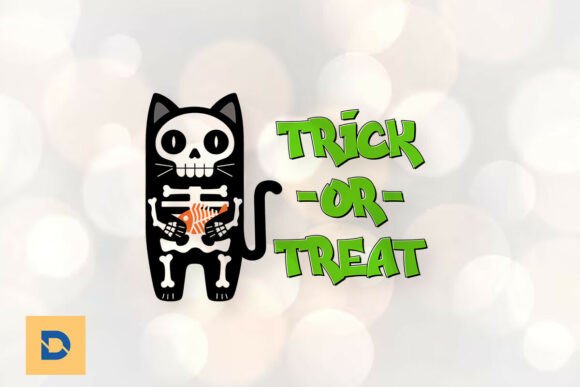
Skeleton Cat Trick Treat Halloween PNG
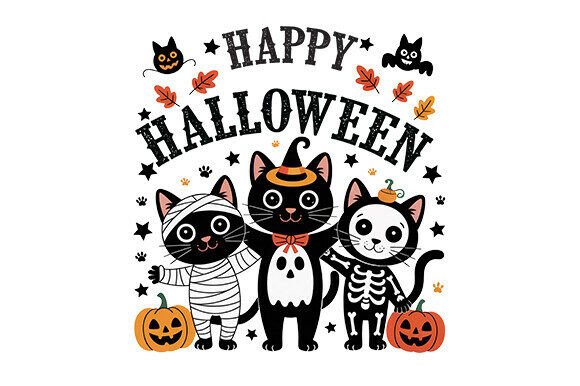
As a designer who has spent years turning digital files into tangible, stitched masterpieces, I approach every new asset with a mix of excitement and skepticism. When I first laid eyes on the Skeleton Cat Trick Treat Halloween PNG, I didn't just see a cute graphic; I saw a potential centerpiece for a high-value holiday collection. It sits squarely in the Crafts category as a Graphics product, but its true value lies in how it translates from a screen to the fabric under the needle.
The immediate mood this design creates is playful yet slightly spooky, perfectly capturing that sweet spot between childhood nostalgia and adult Halloween aesthetics. The layout is clean, the character has personality, and the silhouette is distinct enough to hold up well even when simplified by stitching. For an embroidery designer looking to create custom apparel or boutique products, this isn't just another clip art; it feels like a finished product waiting to happen.
From Screen to Stitch: A Real-World Scenario
Let's talk about how this actually performs in the real world. Imagine you are prepping for a busy season at your Etsy shop. You have a client request for a limited run of embroidered tote bags featuring unique, seasonal characters. Most designs fall flat when converted to thread, losing their charm in the process. However, the Skeleton Cat Trick Treat Halloween PNG has a structural integrity that suggests it will translate beautifully.
I visualized this design being stitched onto a heavy canvas tote bag using a dense fill stitch for the cat's body and satin stitches for the outline. The contrast of white or light grey thread against a dark navy or black bag would make the skeleton pop. Unlike overly intricate designs that get lost in the weave of the fabric, this graphic relies on bold shapes that define the character without needing thousands of tiny stitches. It strikes the right balance between detail and readability, which is crucial for a handmade product that needs to look professional from a distance.
Furthermore, this design fits naturally into the "personalized gift" market. Picture a small batch of baby onesies or nursery wall hangings where parents want something festive but not too scary. The skeleton cat is whimsical rather than macabre. When used as a tote bag design or an embroidered patch on a denim jacket, it adds a touch of personality that customers are willing to pay a premium for. It elevates the perceived value of the item, making it feel like a curated piece of art rather than a mass-produced sticker.
Performance on Various Fabrics and Garments
When evaluating an embroidery file for commercial use, we must consider versatility. This design is robust enough for sweatshirt embroidery on fleece or cotton blends, where the stability of the fabric supports the weight of the threads. It also works well on holiday embroidery projects like tea towels or pillow covers, where the background is often a solid color that allows the design to stand out.
However, the transition from a PNG to a machine-ready format requires careful consideration of the stitch density. If the original artwork contains very fine lines or tiny details, they may need to be adjusted during digitizing to prevent the fabric from puckering. In my experience, designs with clear, defined edges like this one usually respond well to a combination of fill stitch for the main body and running stitch for any delicate whiskers or accents. The key is ensuring that the thread colors chosen provide enough contrast to maintain the character's definition.
For custom apparel such as caps or hats, the curvature of the surface can distort a design if it isn't sized correctly. While the Skeleton Cat Trick Treat Halloween PNG is likely scalable, testing it on a curved surface is essential before committing to a full production run. It might work best as a chest pocket placement on a hoodie or a centered back print on a t-shirt, where the fabric remains relatively flat.
Where Caution Is Required
Even the best designs have their limitations. There are specific scenarios where this design might struggle if not handled with care. Small hoop sizes are a primary concern; if the design includes text or extremely small decorative elements, shrinking it down for a 4x4 hoop could result in a muddy mess where details merge together. Similarly, textured fabrics like chunky knits or bouclé can swallow up the finer points of the image, making the skeleton cat look less distinct.
Stretchy fabrics present another challenge. Without proper stabilization, the tension required to stitch the design could cause the fabric to warp, especially around the curves of the cat's body. Thin fabrics, such as lightweight linen or silk, might tear under the stress of a dense applique design or heavy fill area. In these cases, a lighter stitch count or a different technique might be necessary.
Dense stitch areas should also be monitored. If the design is digitized with too much density, it can become stiff and uncomfortable to wear, particularly on items like baby embroidery pieces where softness is paramount. Additionally, if the final product needs frequent washing, the longevity of the stitches depends heavily on the quality of the thread and the stabilizer used. A poorly stabilized design on a frequently washed item like a kitchen towel or apron might start to unravel or pucker over time.
Designer Notes for Commercial Success
Before you upload this to your store or start stitching for clients, there are practical steps to ensure success. First and foremost, always test the design on scrap fabric that matches your final project material. This allows you to check the stabilizer choice and confirm the hoop size fits your machine's capabilities. Inspect the small details closely to ensure no critical parts of the skeleton cat are lost in the stitching process.
It is also wise to review the design in black and white mockups. Sometimes, color distracts us from poor composition, and viewing it monochromatically helps identify if the shape holds up without relying on vibrant hues. Comparing the design on both light and dark fabric backgrounds will give you a realistic idea of how it will appear in various finished product options.
For those running a craft business or selling as an Etsy seller, understanding the licensing terms is non-negotiable. Confirm whether the digital embroidery file allows for commercial use on finished goods. Some assets are restricted to personal projects only, while others permit you to sell the physical items you create. Always double-check the license before listing a small shop product to avoid legal issues.
Finally, think about how this design fits into your brand consistency. Does the playful vibe of the Skeleton Cat Trick Treat Halloween PNG align with the rest of your collection? Using cohesive design assets helps build customer trust and recognition. Whether you are creating a printable mockup for your website or preparing a design asset for a client's commercial embroidery project, attention to detail makes all the difference.
In conclusion, the Skeleton Cat Trick Treat Halloween PNG offers a strong foundation for creative entrepreneurs and hobbyists alike. Its clear shape and thematic appeal make it a versatile tool for everything from personalized gifts to boutique branding. By approaching it with a strategic mindset—testing thoroughly, respecting fabric limitations, and adhering to licensing—you can transform this digital graphic into a profitable, high-quality addition to your portfolio.